How to Use Public Transport in Brussels (STIB Explained Simply)
Moving to Brussels means discovering a city where public transport is not just practical but genuinely part of daily life. Whether you’re coming for an internship, a new job, or joining a coliving community, understanding how the STIB works will make your first weeks smoother and help you feel at home faster. The network may look complex at first glance, but once you understand the basics, Brussels becomes incredibly easy to navigate.
Understanding STIB: The Heart of Brussels Mobility
The STIB (Société des Transports Intercommunaux de Bruxelles) operates the metro, trams and buses across the entire Brussels-Capital Region. For newcomers, it’s the most reliable way to move around the city, especially if you live in central neighbourhoods like Schuman, Ambiorix, Flagey, Louise or Saint-Gilles. The network is dense, frequent and well connected, which is why many residents don’t even need a car. When you live in coliving, this becomes even more convenient: most houses are strategically located near major lines, making your commute effortless.
Metro, Tram or Bus: Which One Should You Use?
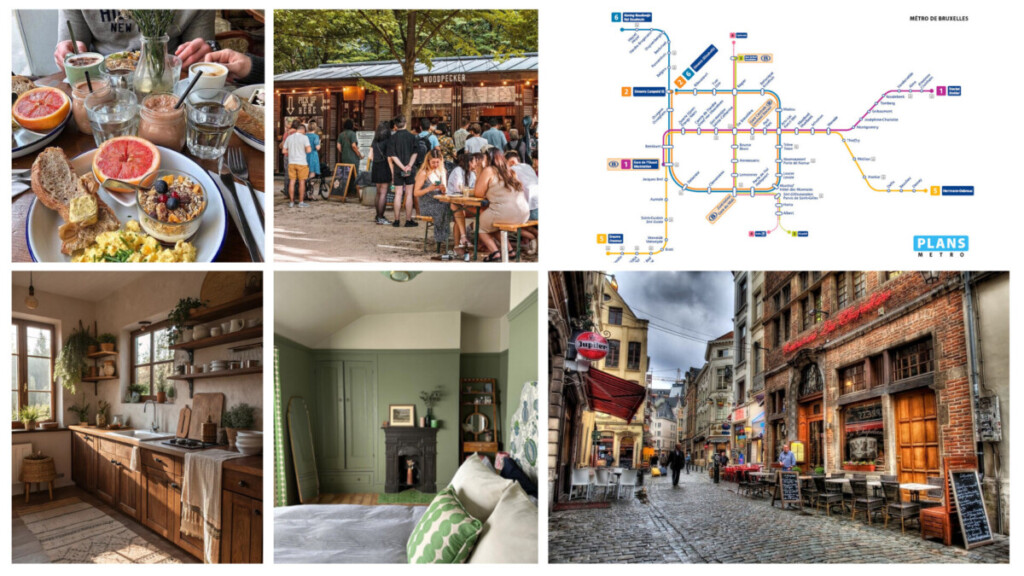
The metro is the fastest option for crossing the city, especially during peak hours. Lines 1 and 5 connect the east and west, while lines 2 and 6 form a loop around the centre. Trams are ideal for medium distances and scenic routes, often passing through charming neighbourhoods like Ixelles, Uccle or Schaerbeek. Buses cover the areas where rails don’t go, making them useful for reaching parks, residential zones or late-night destinations. In daily life, most residents naturally combine all three without even thinking about it, thanks to the unified ticketing system.
How to Buy Your MOBIB Card or Subscription (Online or at a Kiosk)
Getting your MOBIB card in Brussels is simple, and you can do it either online or directly in a metro station. Many newcomers prefer buying it at a STIB kiosk because you receive the card immediately, but the online process is just as easy if you don’t mind waiting a few days for delivery. On the STIB website, you can order a personal MOBIB card, upload your photo and choose the type of subscription you want. Once the card arrives, you can recharge it online through your account or via the official STIB app. If you prefer doing everything in person, the red vending machines in every metro station allow you to buy tickets, load 10‑journey passes or renew your monthly subscription in just a few taps. Prices are straightforward: a single journey costs 2,10 €, a 10‑journey pass is 15,80 €, and a monthly subscription for adults is 49 €. For anyone staying in Brussels for several months — especially in coliving — the monthly pass is usually the most cost‑effective option, since it gives you unlimited access to the entire STIB network without having to think about buying tickets every time you leave the house.
How to Validate Your Ticket (And Avoid Fines)
Validation is simple: you tap your MOBIB card on the red reader when entering a metro station or stepping onto a tram or bus. There are no barriers in Brussels, so checks are done randomly by inspectors. If your card isn’t validated, the fine is immediate and unpleasant, especially when you’re new in the city. Once you get into the habit of tapping, it becomes automatic and takes less than a second.
Using STIB to Explore Brussels Like a Local
Public transport is not only for commuting. It’s also the easiest way to explore Brussels’ neighbourhoods and cultural spots. The metro takes you directly to the Grand-Place, the European Quarter, the Atomium or the city’s main museums. Trams bring you to Flagey for a drink by the ponds, to the Bois de la Cambre for a sunny afternoon, or to Saint-Gilles for dinner. When you live in coliving, this freedom is priceless: you can spontaneously join housemates for an event, a concert or a night out without worrying about parking or traffic.
Night Transport: Getting Home Safely After Going Out
Brussels has a night bus network called Noctis, running on Friday and Saturday nights. It’s a safe and reliable way to get home after a late evening in the city centre or around Flagey, Saint-Géry or Louise. Many coliving residents use it regularly, especially during their first months in the city, because it removes the stress of figuring out how to get home after midnight.
Why Public Transport Matters When Choosing a Coliving
For anyone moving to Brussels, proximity to STIB lines is one of the most important criteria. Living near a metro or tram stop means shorter commutes, easier social life and more flexibility. In coliving, this becomes even more valuable: you can reach your office, the European institutions, coworking spaces or the city centre in minutes. It also makes it easier to meet friends, join events and feel integrated in the city from day one. Good transport connections are often what transform a new city into a comfortable home.
Final Thoughts: STIB Makes Brussels Easy to Live In
Once you understand how the STIB works, Brussels becomes a city where everything feels close and accessible. Whether you’re heading to work, exploring new neighbourhoods or meeting your coliving community for an evening out, public transport is your best ally. It’s reliable, affordable and designed to help you move smoothly through the city. For newcomers, mastering the STIB is one of the first steps toward feeling truly settled in Brussels.